Why Cruise Lines Don't Include Port Fees in Their Quotes
Discover why cruise lines don't include port fees in their quotes. Uncover the reasons and learn how to budget for your next cruise adventure.
The Definition and Importance of Port Fees
What Are Port Fees?
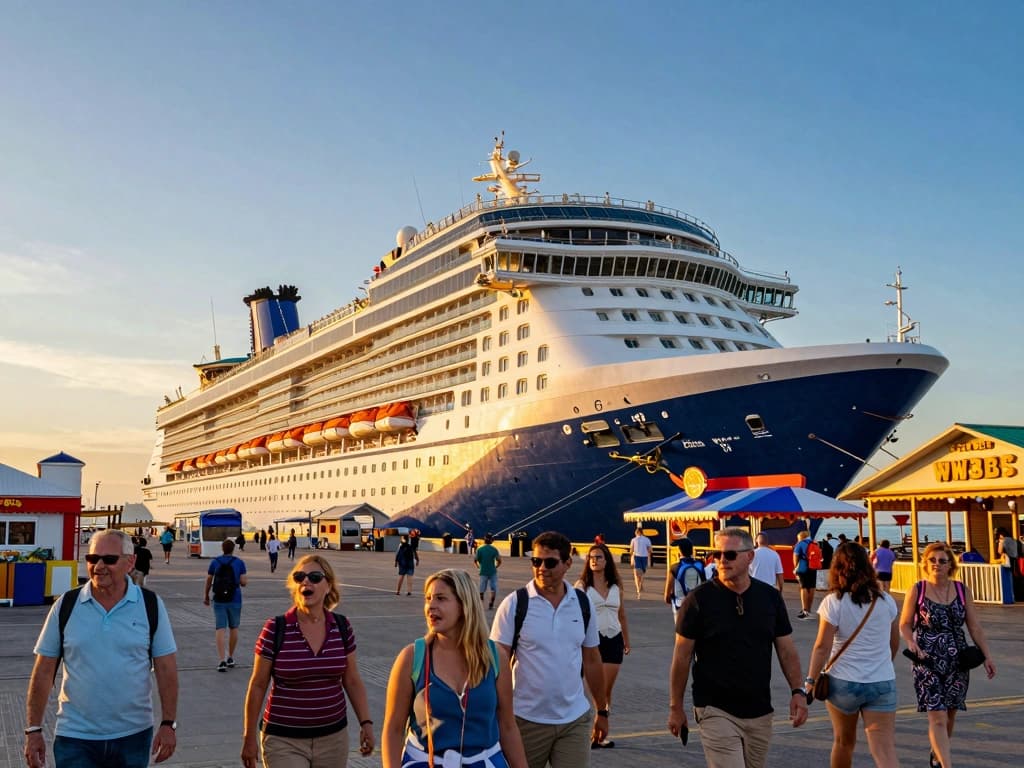
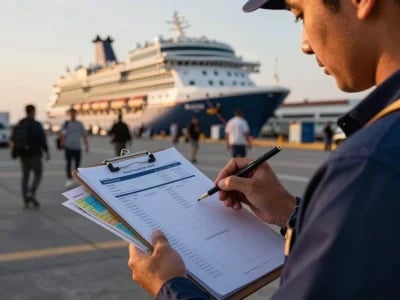
Port fees are charges imposed by ports and harbors for the use of their facilities and services during a cruise ship's visit. These fees cover a range of expenses, including docking, waste disposal, security services, and the maintenance of port infrastructure. Typically, the fees vary based on the port's location, the ship's size, and the duration of the stay. While these fees can seem like a small part of the overall cruise cost, they can accumulate significantly depending on the itinerary.
The Role of Port Fees in Cruise Operations
Port fees play a crucial role in the operational budget of cruise lines. They are essential for maintaining the port's functionality, ensuring safety standards, and providing amenities for passengers and crew. For cruise lines, these fees are a necessary expense that can influence itinerary planning and pricing strategies. For example, a cruise stopping at a popular destination with high port fees may have to adjust its pricing structure to maintain profitability while still being competitive in the market.
How Port Fees Affect Overall Cruise Costs
Port fees can significantly affect the overall cost of a cruise. On average, port fees can range from $20 to $300 per passenger per port, depending on the destination. For a week-long cruise with multiple port stops, these fees can add a hefty sum to the total price. For instance, a cruise itinerary that includes three ports with fees of $100 each would add an additional $300 to the cost of the cruise, which is not always reflected in the initial quotes presented to consumers.
Reasons for Excluding Port Fees in Initial Quotes
Complexity of Fee Structures
The complexity of port fee structures is one of the primary reasons why cruise lines often exclude them from initial quotes. Each port has its own set of fees that can include docking charges, passenger service fees, and even environmental fees. This complexity makes it challenging for cruise lines to provide a straightforward quote that includes all potential port fees. As a result, many cruise lines opt to present a base fare that does not include these variable costs.
Variable Nature of Port Fees
Port fees can vary not only by location but also by the specific services utilized by the cruise line and the size of the ship. For example, larger vessels may incur higher fees due to their increased impact on port resources and infrastructure. Additionally, ports may impose different fees based on seasonality, demand, and even local regulations. This variability makes it difficult for cruise lines to predict and incorporate these costs into their quotes, leading to the common practice of excluding them from initial pricing.
Marketing Strategies and Consumer Perception
From a marketing perspective, cruise lines often promote their base prices to attract customers. Initial quotes that appear lower without additional fees can entice potential travelers who may be comparing multiple cruise options. By excluding port fees, cruise lines can create the illusion of more competitive pricing. This strategy can be effective in drawing in customers, but it can also lead to dissatisfaction when the final price comes to light, highlighting a disconnect between customer expectations and reality.
Impact on Consumer Decision-Making
Understanding the Total Cost of a Cruise
For many consumers, understanding the total cost of a cruise is critical to their decision-making process. When port fees are excluded from the initial quotes, it can lead to confusion and frustration for potential travelers. Consumers often budget for their trips based on the quoted price, only to discover later that additional fees significantly raise the total cost. This lack of clarity can affect their ability to plan effectively, leading to disappointment and potential loss of trust in the cruise line.
The Surprise Factor: Expectations vs. Reality
The surprise factor associated with additional port fees can create a disparity between expectations and reality for consumers. Many travelers may assume that the quoted price is all-inclusive, only to be confronted with additional charges related to port fees upon booking. This discrepancy can lead to negative reviews and a tarnished reputation for cruise lines, as customers feel misled. For instance, a family planning a cruise may have budgeted $2,000 based on the quote but later find out that port fees increase their total to $2,600 or more, causing frustration and dissatisfaction.
Consumer Trust and Transparency Issues
Excluding port fees from initial quotes can undermine consumer trust in cruise lines. When customers perceive that they are not receiving transparent information about pricing, it can lead to skepticism and a reluctance to book future cruises. Building trust is essential in the travel industry, where customers often rely on reviews and recommendations. Therefore, cruise lines that are perceived as hiding costs may find themselves at a competitive disadvantage. In a world where transparency is increasingly demanded by consumers, this practice may alienate potential customers.
Comparative Analysis with Other Travel Sectors
How Airlines Handle Additional Fees
Airlines have faced similar criticism regarding transparency in pricing, particularly with the rise of low-cost carriers that offer low base fares but charge extra for checked baggage, seat selection, and other services. However, many airlines have begun to adopt more transparent pricing models by clearly outlining additional fees during the booking process. This shift has helped to enhance consumer trust and satisfaction, as travelers can make informed decisions about their total travel costs.
Transparency in Hotel Pricing
In contrast, many hotels have adopted more transparent pricing strategies, often including taxes and fees in their quoted rates. This practice allows consumers to see the total price upfront, which can lead to higher satisfaction and trust in the booking process. Hotels that provide clear breakdowns of their pricing often find that customers are more likely to book, as they appreciate the transparency and honesty of the pricing structure.
Lessons from All-Inclusive Resorts
All-inclusive resorts have gained popularity for their straightforward pricing models, which typically encompass accommodations, meals, drinks, and activities in one upfront cost. This pricing strategy removes the ambiguity surrounding additional fees, making it easier for consumers to understand what they are paying for. Cruise lines can learn from this model; by offering more inclusive pricing options, they could attract more customers who are wary of hidden costs and enhance overall customer satisfaction.
Future Trends in Pricing Transparency
Potential for Change in Industry Practices
As consumer demand for transparency grows, there is potential for change within the cruise industry regarding the inclusion of port fees in initial quotes. With the rise of social media and online reviews, cruise lines may find it necessary to adapt their pricing strategies to meet customer expectations. Forward-thinking companies might begin to include port fees in their quotes to foster trust and enhance their brand reputation.
Consumer Demand for Clarity in Pricing
Consumer demand for clarity in pricing is increasingly influencing travel trends. As travelers become more educated about pricing structures across various sectors, they are likely to favor companies that provide transparent and comprehensive quotes. This shift could compel cruise lines to reevaluate their pricing strategies, leading to a more consumer-friendly approach that includes all costs upfront.
Technological Solutions to Enhance Transparency
Technological advancements may also play a role in enhancing pricing transparency within the cruise industry. For instance, improved booking platforms could allow for clearer breakdowns of costs, including port fees, in real time. Innovations such as dynamic pricing algorithms could help cruise lines more accurately predict and communicate total costs, providing consumers with the information they need to make informed decisions.
Filed under