Why NHL Prospects Spend Years in Junior Hockey Development
Discover why NHL prospects spend years in junior hockey development, honing skills and gaining experience before making the jump to the professional level.
Understanding the Development Pathway for NHL Prospects

The journey of an NHL prospect is often lengthy and complex, with the majority spending several years in junior hockey development before making the leap to the professional level. This extended period in junior leagues is crucial for skill enhancement, physical and mental maturation, and overall readiness for the NHL. In this article, we delve into the reasons why junior hockey plays such a pivotal role in the development of future NHL stars.
The Role of Junior Hockey in Skill Development
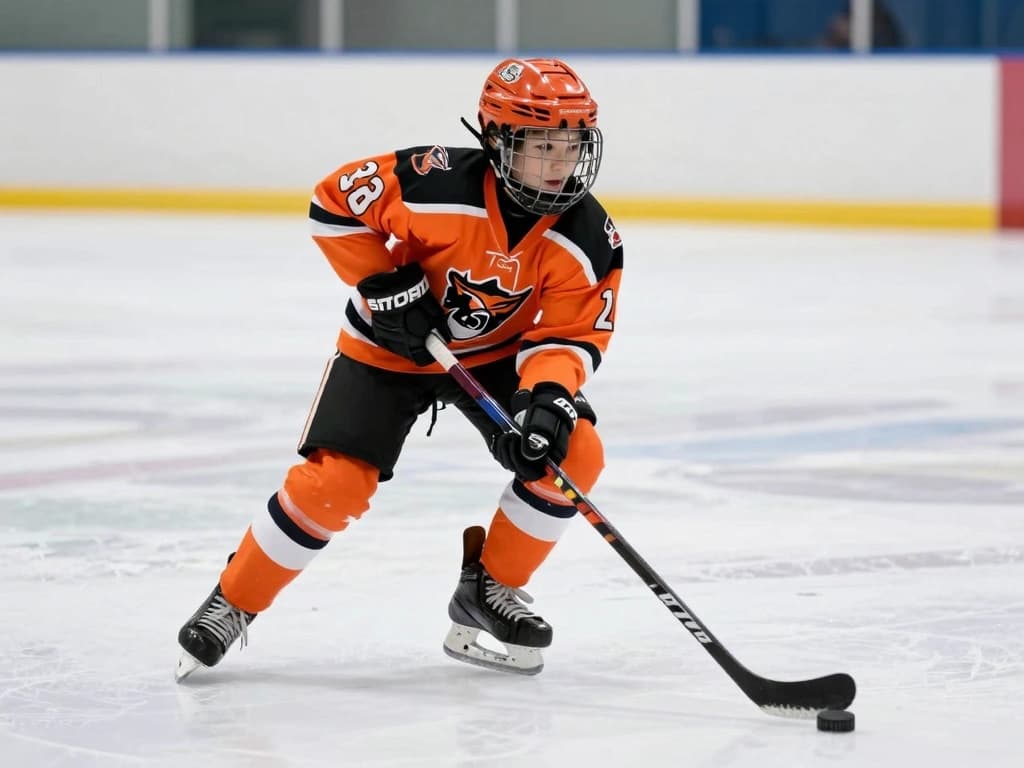
Junior hockey serves as the first major stepping stone for many players aspiring to reach the NHL. Leagues such as the Canadian Hockey League (CHL), which includes the OHL, WHL, and QMJHL, provide a competitive environment where young athletes can refine their skills. Typically, players in these leagues range from 16 to 20 years old, and they are often competing against peers who are equally driven and talented.
During their time in junior hockey, players receive essential coaching and on-ice experience that helps them develop critical skills. For instance, many teams emphasize offensive and defensive tactics, which are crucial for success in the NHL. Coaches focus on developing players' abilities to read the game, enhance their skating speed, and improve their shooting accuracy. According to statistics from the CHL, players who spend three or more years in junior hockey typically exhibit higher points-per-game averages in the NHL than those who jump directly into the league.
Transitioning from Amateur to Professional Play
The transition from amateur to professional hockey is not merely a step up in competition; it involves a significant shift in lifestyle and expectations. In junior leagues, players are often still balancing their education and personal lives, which can provide a more supportive environment compared to the pressures of the NHL.
Moreover, junior hockey allows players to experience a level of intensity that prepares them for the rigors of professional play. The demands of a professional schedule, which includes travel, practice, and game commitments, can be overwhelming for young athletes. By spending several years in junior hockey, players can gradually acclimate to these demands. For example, a player like Connor McDavid, who joined the OHL at 15, was able to focus on honing his skills without the immediate pressure of the NHL, ultimately becoming one of the league's top talents.
Long-Term Development vs. Immediate Impact
One of the most pressing debates in sports is whether to prioritize immediate impact players or focus on long-term development. NHL teams are increasingly recognizing that investing time in junior hockey can lead to better long-term outcomes. The statistics support this approach: players who spend additional time in junior leagues often enjoy longer, more successful careers in the NHL.
Teams are more likely to draft players who have demonstrated consistent performance over multiple seasons in junior hockey. For instance, Auston Matthews and Jack Eichel both spent significant time in junior leagues, which allowed them to develop their skills and gain invaluable experience before making their NHL debuts.
The Importance of Physical and Mental Maturity
Building Physical Strength and Endurance
Another critical reason NHL prospects spend years in junior hockey is to build the physical strength and endurance necessary for the rigors of professional play. At age 16, many players are still developing physically, and junior hockey offers them the time and environment to gain muscle mass, improve their skating endurance, and enhance their overall athleticism.
Strength and conditioning programs in junior leagues have become increasingly sophisticated, often paralleling those found in the NHL. Players are introduced to weight training, nutrition, and recovery strategies that help them prepare for the demanding nature of professional hockey. For example, players in the WHL often participate in structured off-ice training sessions that focus on building core strength and agility, which are critical for performing at the NHL level.
Mental Toughness and Resilience in Competition
In addition to physical development, mental toughness is a key attribute for success in the NHL. Junior hockey provides players with numerous opportunities to face adversity and learn how to cope with pressure. The competitive nature of junior leagues often means that players encounter challenging situations, such as losing streaks or personal slumps.
Through these experiences, players cultivate resilience and learn to manage their emotions during high-stakes games. This mental fortitude is vital when transitioning to the NHL, where the level of competition is even more intense. Players like Sidney Crosby and Leon Draisaitl have spoken about the importance of their junior experiences in shaping their mental approach to the game.
Adapting to the Demands of Professional Hockey
As NHL teams increasingly prioritize speed and skill, the demands on players have evolved. Junior hockey serves as a critical period for players to adapt to these changing expectations. The pace of play in the NHL is significantly faster, and players must develop quick decision-making skills and the ability to read plays effectively.
By spending years in junior hockey, prospects have the opportunity to refine these skills in a competitive setting. They are often encouraged to experiment with their playing style, allowing them to identify their strengths and weaknesses. This adaptability can be crucial when they eventually step onto the NHL stage, where the margin for error is slim.
Evaluating Player Readiness for the NHL
Scouting and Performance Metrics
Determining when a player is ready for the NHL is a nuanced process involving various scouting and performance metrics. NHL scouts and teams closely monitor player development in junior leagues, analyzing statistics such as points per game, plus/minus ratings, and overall contributions to team success.
Advanced analytics have become a significant part of player evaluation, with teams using metrics such as Corsi and Fenwick to assess a player's impact on the ice. These metrics help teams identify players who may not only excel in scoring but also contribute defensively. For instance, players like Patrik Laine and Matthew Tkachuk have both shown how advanced metrics can highlight their readiness for the NHL based on their junior performances.
Coaching Staff Assessments and Feedback
Coaches play a vital role in evaluating a player's readiness for the NHL. They provide feedback on skill development, work ethic, and overall attitude. Many junior teams have established relationships with NHL franchises, allowing for open communication regarding player progress.
Through constant assessments, coaches can help players understand areas for improvement and set realistic goals for their development. This guidance is essential for players to make informed decisions about their future and when to pursue an NHL opportunity. The mentorship provided by junior coaches can significantly influence a player's trajectory, as seen with players like Victor Hedman, who received invaluable feedback during his junior career.
Case Studies of Successful Transition from Juniors to NHL
Numerous case studies highlight the success of players who have spent significant time in junior hockey before making their NHL debuts. For instance, Steven Stamkos played in the OHL for three seasons before entering the NHL. His time in junior hockey allowed him to develop into one of the league's premier goal scorers.
Another example is Ryan Getzlaf, who played four seasons in the WHL before transitioning to the NHL. Getzlaf's experience in junior allowed him to cultivate his playmaking abilities and leadership skills, ultimately leading him to a successful career as a captain in the NHL.
Influence of Team Dynamics and Chemistry
The Benefits of Playing with Peers in Junior Leagues
Team dynamics play a crucial role in a player's development. In junior leagues, players often compete with and against their peers, which fosters a sense of camaraderie and teamwork. This environment allows players to develop their interpersonal skills and learn the importance of collaboration on the ice.
Moreover, playing with peers who share similar aspirations can motivate athletes to push themselves further. The competitive nature of junior leagues means that players are constantly striving for improvement, both individually and as a team. This shared experience can create lasting bonds that continue even when players transition to the NHL.
Understanding Team Roles and Responsibilities
In junior hockey, players often take on specific roles that help them understand their responsibilities within a team structure. Whether it's being a top-line forward, a defensive specialist, or a goaltender, junior hockey teaches players how to contribute to team success in various ways.
This understanding of roles is critical when players step into the NHL, where team dynamics can shift rapidly. For example, players like Brad Marchand and Patrice Bergeron learned their respective roles in junior hockey, which allowed them to become key contributors for the Boston Bruins in the NHL.
Cultivating Leadership Skills in a Junior Environment
Junior hockey also provides an excellent platform for players to develop leadership skills. Many teams designate captains and alternate captains, allowing younger players to learn from experienced teammates. This mentorship can be invaluable in preparing players for the leadership roles they may assume in the NHL.
Leadership development is particularly important for franchises that value strong team culture. Players like Jonathan Toews and Gabriel Landeskog have cited their experiences in junior hockey as formative moments that shaped their leadership styles and prepared them for captaincy in the NHL.
External Factors Impacting Junior Tenure
The Role of NHL Draft Eligibility Rules
NHL draft eligibility rules significantly influence how long prospects remain in junior hockey. Players must be at least 18 years old on September 15 of the draft year to be eligible, which often means they spend additional years playing in junior leagues to develop fully.
This rule allows teams to draft players who have had time to mature physically and mentally. For example, many players born later in the calendar year, such as Auston Matthews and Jack Eichel, benefited from playing extra seasons in junior hockey, as they were not eligible until they turned 18.
Impact of Injuries and Recovery Time
Injuries can also extend a player's tenure in junior hockey. When a young athlete suffers an injury, they may need time to recover and regain their form before making the transition to the NHL. This time spent in juniors can be beneficial, allowing players to regain their confidence and physical skills.
For instance, Jack Hughes faced injury challenges during his junior career but used that time to refine his game before entering the NHL. Such situations highlight the importance of patience in player development.
Family and Personal Considerations for Young Athletes
Family and personal circumstances can also impact how long a player remains in junior hockey. Many young athletes need support systems to navigate the challenges of competing at high levels. The stability provided by junior hockey can allow players to continue their development while balancing family expectations and personal growth.
Players like Tyler Seguin have spoken about the importance of family support during their junior years, emphasizing that their ability to focus on hockey while maintaining strong personal ties was a key factor in their success.
Conclusion
The journey of an NHL prospect through junior hockey is a critical phase of development that shapes future stars. The extended time spent in junior leagues allows players to enhance their skills, mature physically and mentally, and prepare for the challenges of professional hockey. As the landscape of the NHL continues to evolve, the emphasis on long-term development over immediate impact will likely remain a cornerstone of player progression.
Understanding the multifaceted reasons behind why most NHL prospects spend years in junior hockey underscores the importance of patience, perseverance, and strategic development in the pursuit of success at the highest level.
Filed under