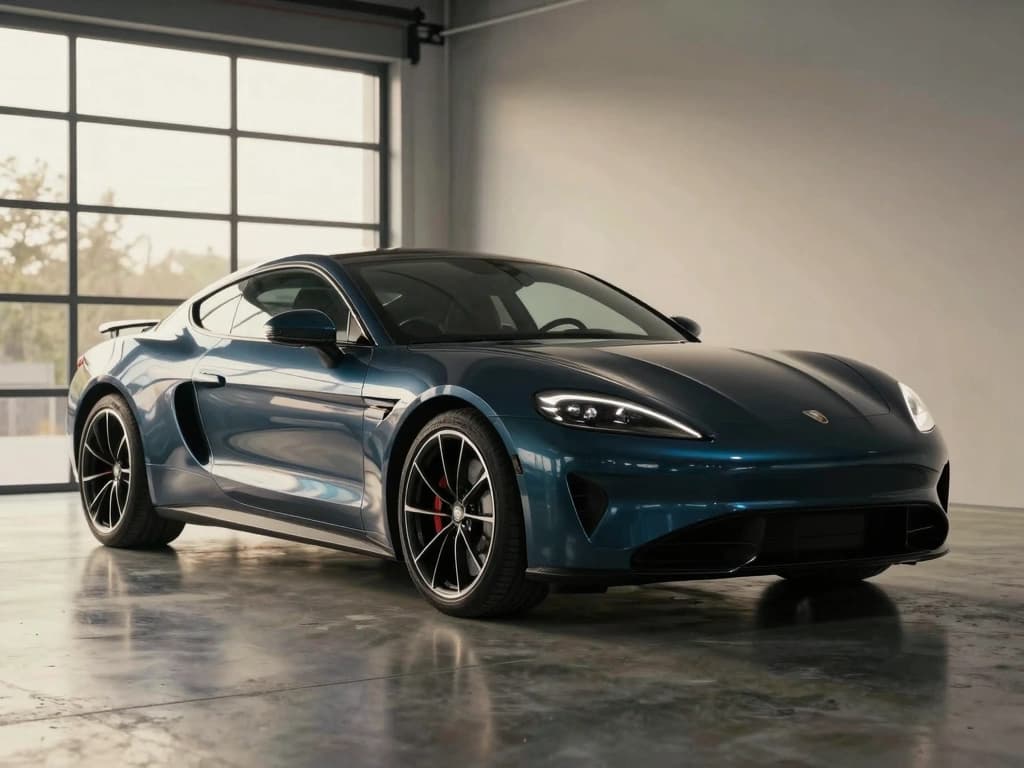
Why Luxury Car Warranties Often Exclude Common Repairs
Discover why luxury car warranties often exclude common repairs and what it means for your vehicle's maintenance and costs. Stay informed and protect your investment.
Understanding Luxury Car Warranties
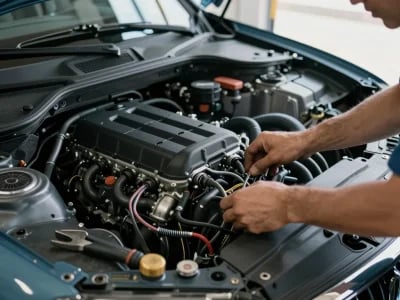
Definition and Scope of Luxury Car Warranties
Luxury car warranties are specialized service agreements provided by manufacturers that cover repairs and maintenance for high-end vehicles. These warranties typically encompass a range of components and systems, ensuring that owners are protected against unexpected repair costs during the warranty period. However, the scope of these warranties can vary significantly, often leading to exclusions that can surprise owners.
Common Inclusions in Luxury Car Warranties
Most luxury car warranties include coverage for major mechanical failures, powertrain components, and certain electrical systems. For instance, a warranty from brands like BMW or Mercedes-Benz generally covers:
- Engine components
- Transmission systems
- Electrical systems
- Suspension components
- Fuel systems
Additionally, some luxury brands offer complimentary maintenance plans that cover scheduled services, such as oil changes and tire rotations, further enhancing the ownership experience. However, this leads to a critical examination of what is not covered, which is where the surprises often lie.
Variability Among Different Luxury Brands
The nature and extent of coverage can vary widely among luxury vehicle manufacturers. For example, while a brand like Lexus may provide a robust warranty package that includes more components, others like Porsche may have stricter exclusions. Understanding what each brand covers is essential for prospective buyers, as it can significantly impact overall ownership costs.
Reasons for Excluding Common Repairs
Cost Considerations for Luxury Car Manufacturers
One of the primary reasons luxury car warranties exclude common repairs is cost. Luxury vehicles often come with high-end features and advanced technologies that can be costly to repair or replace. By excluding certain repairs, manufacturers can keep the warranty premiums lower. For instance, a high-performance brake system on a luxury sports car can cost upwards of $2,000 to replace, which is why these repairs are often considered wear items and excluded from warranty coverage.
Perceived Reliability of Luxury Vehicles
Manufacturers often market luxury vehicles as being more reliable than their non-luxury counterparts. This perception can lead to the belief that common repairs are unnecessary or infrequent. As a result, warranties may exclude issues that are deemed part of normal wear and tear. For example, brands like Audi and Tesla promote the reliability of their vehicles, which can influence warranty terms. However, this can lead to disappointment when owners discover that repairs they assumed would be covered are not.
Market Positioning and Exclusivity
Luxury brands thrive on exclusivity and prestige, which can affect warranty offerings. The perception that luxury vehicles should require less frequent repairs allows manufacturers to position themselves as premium options. By limiting coverage to major mechanical issues while excluding common repairs, brands maintain their exclusive image. For instance, a luxury car's allure might be diminished if owners frequently claim minor repairs under warranty, leading manufacturers to adopt more restrictive policies.
Common Repairs Often Excluded
Brake Pad and Rotor Replacement
Brake pads and rotors are critical components of any vehicle, but they are often categorized as wear items under luxury car warranties. The replacement of brake pads can range from $300 to $800 depending on the vehicle and parts used. For luxury brands like Maserati, the costs can escalate significantly. Therefore, owners must be prepared for these expenses as they are commonly excluded from warranty coverage.
Wear and Tear Items
Many common repairs fall under the category of "wear and tear," which luxury warranties typically exclude. Items such as tires, batteries, and windshield wipers are often not covered. For instance, a set of high-performance tires can cost between $1,000 and $2,500 for luxury vehicles like a Jaguar or an Audi, leaving owners responsible for these expenses. Understanding that these items are not covered can help owners budget for ongoing maintenance more effectively.
Interior and Exterior Cosmetic Repairs
Cosmetic repairs, including scratches, dents, and interior wear, are almost universally excluded from luxury car warranties. Given that luxury vehicles are often subject to higher aesthetic expectations, the cost of maintaining their appearance can be substantial. For example, a minor dent repair can cost between $150 and $500, and owners must bear this burden. Additionally, leather seat repairs or replacements can run from $400 to $1,200, depending on the extent of the damage.
The Impact on Luxury Car Owners
Financial Implications of Excluded Repairs
The exclusion of common repairs from luxury car warranties can have significant financial implications for owners. As previously mentioned, the costs associated with routine maintenance and minor repairs can quickly add up. For example, a luxury vehicle owner might expect to pay anywhere from $1,500 to $3,000 annually for maintenance, depending on the model and its condition. When common repairs are excluded, these costs can substantially increase, leading to financial strain.
Owner Expectations vs. Reality
Many luxury car owners enter the market with high expectations regarding warranty coverage. They often assume that purchasing a luxury vehicle means comprehensive protection. However, the reality is often starkly different. The surprise exclusions can lead to dissatisfaction and frustration among owners, especially when they face unexpected repair bills shortly after purchasing their vehicles. This mismatch between expectations and reality can tarnish the luxury ownership experience.
Long-Term Maintenance Costs
Long-term maintenance costs for luxury vehicles can be significantly affected by these exclusions. Over time, as components wear out and require replacement, owners may find that the total cost of ownership is much higher than anticipated. For instance, owners of a high-end vehicle may spend tens of thousands of dollars on maintenance over the lifespan of the car, particularly if they plan to keep it for several years. As a result, understanding the true costs associated with luxury car ownership is crucial for prospective buyers.
Alternatives and Solutions for Luxury Car Owners
Extended Warranties and Service Plans
One viable solution for luxury car owners is to consider extended warranties or service plans. Many manufacturers offer additional coverage that can extend the warranty beyond the standard period, often including more comprehensive repair options. Brands like Lexus and BMW provide options for owners to extend their coverage, which can include wear and tear items. While these plans often come with a higher price tag, they can provide peace of mind and financial protection against unforeseen repairs.
Aftermarket Warranty Options
Aftermarket warranties are another alternative for luxury car owners looking to cover excluded repairs. These warranties can be tailored to meet individual needs and may include coverage for wear items and cosmetic repairs. Companies like CarShield or Endurance offer various plans that can fit different budgets and requirements. However, it's essential for owners to thoroughly vet these options, as coverage terms can vary widely and some providers may not be as reliable.
Preventive Maintenance Strategies
Implementing preventive maintenance strategies can also help mitigate the impact of excluded repairs. Regular inspections and routine maintenance can catch minor issues before they escalate into more significant, costly repairs. For example, maintaining proper tire pressure and rotating tires can extend their lifespan and reduce replacement costs. Additionally, utilizing high-quality products for maintenance, such as premium oil or specialized cleaning products for interiors, can help preserve the vehicle's condition and reduce the need for repairs.
Filed under