Why Off-Road Recovery Gear Often Goes Unused in Vehicles
Discover why off-road recovery gear often goes unused in vehicles and learn how to ensure you're prepared for any adventure with the right equipment.
Why Off-Road Recovery Gear Often Goes Unused in Vehicles
Off-roading is an exhilarating hobby that attracts adventurers looking for the thrill of exploring rugged terrains. However, despite the excitement, many off-road enthusiasts find themselves in precarious situations where recovery gear could be invaluable. Surprisingly, much of this recovery gear remains unused in their vehicles. This article delves into the reasons behind this phenomenon, shedding light on the psychology of off-road enthusiasts, common misconceptions, lack of education, storage challenges, and cultural factors influencing gear usage.
Understanding the Psychology of Off-Road Enthusiasts
Fear of the Unknown
Many off-road enthusiasts are drawn to the adventure of exploring uncharted territories. However, this thrill often comes with a fear of the unknown. The unpredictability of off-road conditions can create anxiety, leading drivers to avoid situations where they might need recovery gear. For instance, a 2021 survey by the Off-Road Vehicle Association found that 68% of respondents admitted to feeling nervous about getting stuck in remote areas, which can cause them to steer clear of challenging trails altogether.
Overconfidence in Driving Skills
Another psychological aspect that leads to unused recovery gear is overconfidence in driving abilities. Many seasoned off-roaders believe that their experience and skills will prevent them from getting stuck. This overestimation can be detrimental; according to a study published in the Journal of Outdoor Recreation and Tourism, 55% of off-road enthusiasts felt that their driving prowess was sufficient enough to navigate any terrain without getting bogged down. Unfortunately, this mindset can lead to complacency, resulting in the neglect of essential recovery tools.
Underestimating Recovery Needs
Off-road drivers often underestimate the likelihood of needing recovery gear. They may think, "It won't happen to me," which fosters a false sense of security. This underestimation can be particularly dangerous in adverse weather conditions or on unfamiliar trails. A report from the National Off-Road Safety Council indicates that 72% of off-road incidents involved vehicles that were not properly equipped for recovery, highlighting the gap between perceived risk and reality.
Common Misconceptions About Off-Road Recovery Gear
Belief That They Won't Get Stuck
One of the most prevalent misconceptions among off-roaders is the belief that they are immune to getting stuck. Many new drivers often purchase vehicles equipped with four-wheel drive or specialized off-road tires and assume these features will safeguard them against any situation. For instance, a vehicle like the Jeep Wrangler, known for its rugged capabilities, still requires drivers to recognize that no vehicle is impervious to getting stuck in mud or sand. This misconception leads to a lack of preparedness and ultimately results in unused recovery gear.
Assumptions About Vehicle Capabilities
Another common misconception is the assumption that all vehicles can handle challenging terrains equally. While some vehicles are specifically designed for off-roading, others may struggle significantly. For example, a crossover SUV might perform well on gravel roads but falter in deep mud or steep inclines. This misunderstanding can lead to a false sense of security and reliance on vehicle capabilities rather than preparedness with recovery gear.
Misinformation from Online Sources
The internet is rife with misinformation regarding off-roading. Many enthusiasts rely on forums, blogs, and social media for advice, which can lead to misguided beliefs about the necessity of recovery gear. For instance, some users might endorse the idea that a simple tow strap is sufficient for all recovery needs, ignoring the importance of having a comprehensive recovery kit that includes a winch, shackles, and a recovery board. This misinformation can leave off-road enthusiasts ill-equipped when facing real challenges.
Lack of Education and Awareness
Insufficient Training on Gear Usage
Many off-road enthusiasts lack proper training on how to use recovery gear effectively. While purchasing the gear is one step, understanding its operation is another. According to a survey by the Off-Road Recovery Institute, only 34% of off-roaders received formal training on recovery gear usage. This lack of knowledge can lead to frustration and ineffectiveness when the time comes to utilize the gear, resulting in it being left unused in the vehicle.
Neglecting Recovery Gear Maintenance
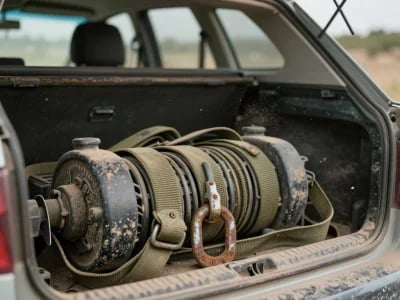
Proper maintenance of recovery gear is crucial for its effectiveness. Many off-road enthusiasts neglect this aspect, leading to gear that may not function properly when needed. A study by the Off-Road Safety Council revealed that 47% of participants had recovery gear that was damaged or rusted due to lack of maintenance. When gear is not in optimal condition, it often gets ignored, contributing to its unused state in vehicles.
Inadequate Information from Dealerships
Dealerships often play a significant role in educating new off-road vehicle owners about recovery gear. However, many dealerships fail to provide comprehensive information regarding the essential recovery equipment needed for off-roading. A survey conducted by the Automotive Retail Group found that 59% of buyers reported receiving minimal guidance on off-road gear, leading to unpreparedness and the likelihood of gear sitting unused.
Storage and Accessibility Challenges
Limited Space in Vehicles
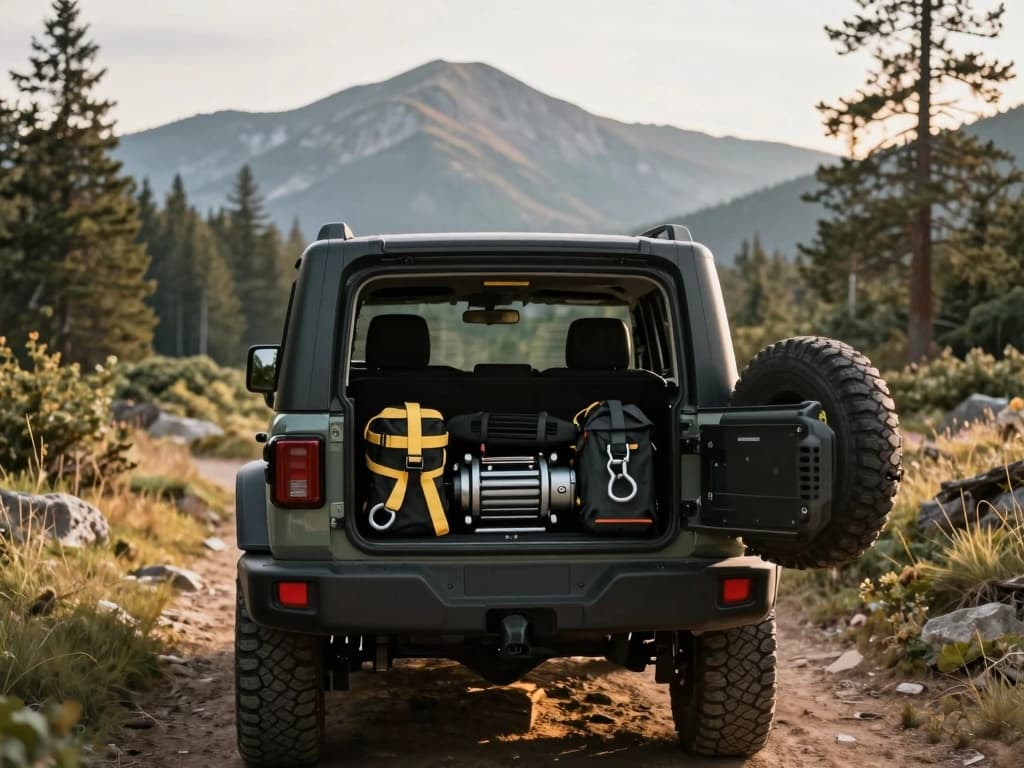
Another practical reason recovery gear often goes unused is the limited storage space in vehicles. Off-road enthusiasts often prioritize comfort and convenience, leading to a lack of room for bulky recovery equipment. For example, a standard SUV may have limited cargo space, making it challenging to store items like recovery boards, winches, and other essential tools. As a solution, many drivers may choose to leave these items at home instead of cluttering their vehicles.
Poor Organization of Recovery Gear
Even when recovery gear is stored in a vehicle, poor organization can render it ineffective. Enthusiasts may throw various items into the trunk or cargo area without proper organization, making it difficult to locate specific tools quickly. A study by the Off-Road Gear Organization Project found that 62% of off-roaders reported difficulty accessing their recovery gear during emergencies due to disorganization. This disarray contributes to the likelihood that gear will be left unused, as drivers may not even know where to find it when needed.
Difficulty in Retrieving Gear Quickly
In off-road scenarios, time is often of the essence. If recovery gear is not easily accessible, it may lead to delays that can exacerbate a situation. For instance, if a vehicle becomes stuck in a muddy patch, the driver needs to retrieve the recovery gear swiftly. Yet, if the gear is buried under camping equipment or luggage, valuable time may be wasted. This difficulty in retrieval can dissuade off-roaders from carrying recovery gear altogether, resulting in unused equipment in their vehicles.
Cultural Factors Influencing Gear Usage
Peer Influence and Social Norms
Cultural factors play a significant role in the usage of recovery gear among off-road enthusiasts. Peer influence can lead to a culture where carrying recovery gear is seen as unnecessary or even excessive. If a group of friends frequently off-roads without recovery gear and shares stories of successful adventures, new members may feel pressured to conform, believing gear is not essential. This social norm can contribute to the underutilization of recovery tools, even when risks are evident.
Trends in Off-Roading Communities
Shifting trends within off-roading communities can also impact recovery gear usage. For example, the rise of "overlanding," which emphasizes self-sufficiency and exploration, has led some enthusiasts to focus on camping and travel rather than recovery preparedness. As a result, recovery gear may be sidelined in favor of other equipment like cooking supplies or sleeping gear, further contributing to its underuse.
The Role of Online Forums and Groups
Online forums and social media groups can significantly influence the attitudes of off-road enthusiasts towards recovery gear. While these platforms can offer valuable information, they can also perpetuate myths and misguidance about the necessity of recovery equipment. If popular influencers advocate for minimal gear or share stories of successful outings without recovery tools, it can create a false sense of security among followers, leading to unused gear in their vehicles.
Conclusion
The reasons behind the underutilization of off-road recovery gear are multifaceted, encompassing psychological factors, misconceptions, a lack of education, storage challenges, and cultural influences. Understanding these aspects can help off-road enthusiasts recognize the importance of being prepared for any situation that may arise during their adventures. By addressing these challenges and misconceptions, off-roaders can better equip themselves for the great outdoors, ensuring that their recovery gear is not just an afterthought but a vital part of their off-road toolkit.
Filed under