Why NFL Kickers Often Transition from Soccer Careers
Discover why NFL kickers often transition from soccer careers, exploring skills, training, and unique pathways that make this shift successful.
The Skill Set: Precision and Power

In the world of professional sports, the skills required for success can often overlap across different disciplines. One of the most striking examples of this phenomenon is seen in the National Football League (NFL), where an increasing number of kickers have transitioned from soccer backgrounds. The unique skill set that soccer players possess—encompassing precision, power, and coordination—has proven to be exceptionally beneficial for NFL kickers. Understanding these skills can provide insights into why soccer players are increasingly becoming successful kickers in American football.
Accuracy in Kicking
Accuracy is perhaps the most critical skill needed for a kicker. In soccer, players are trained to strike the ball with precision to ensure it reaches the intended target, whether that be the back of the net or a teammate. This emphasis on accuracy translates directly to the kicking game in football. For example, NFL kickers are required to make field goals from varying distances, often under intense pressure. The ability to consistently aim and hit a target is a skill that soccer players have honed from a young age.
Statistics show that successful NFL kickers often have field goal percentages above 80%. For instance, in the 2020 NFL season, the average field goal percentage was around 75%, but several kickers with soccer backgrounds achieved rates exceeding 90%. This high level of accuracy can be attributed to their experience in soccer, where precision is paramount.
Power Generation Techniques
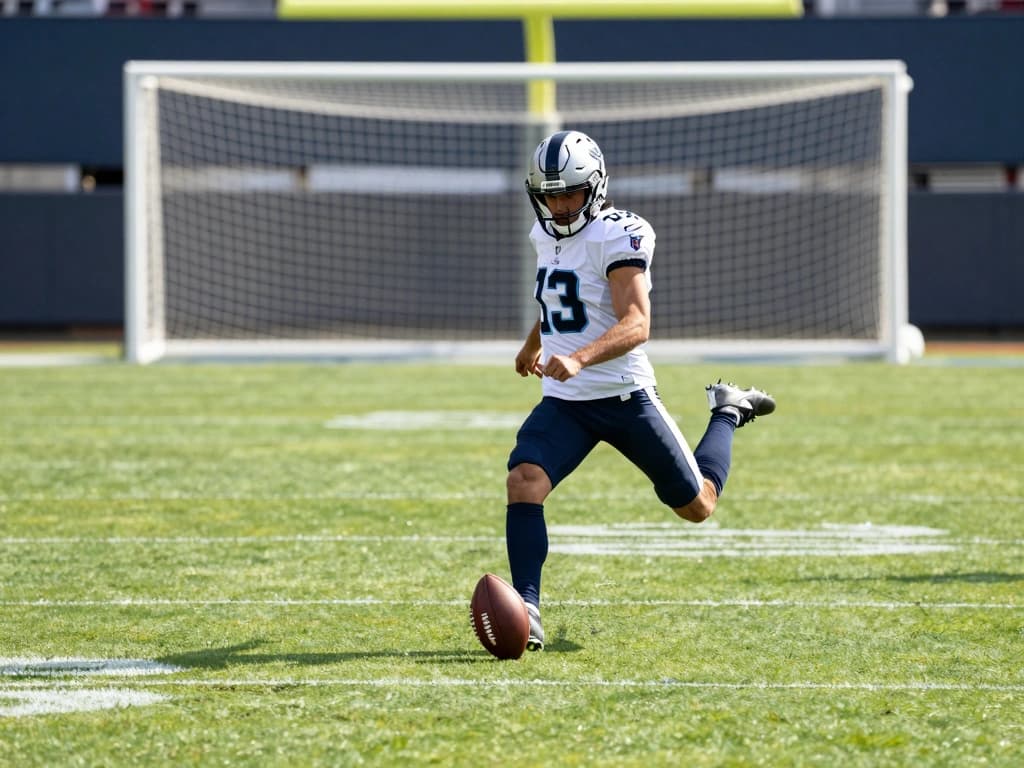
Another essential skill that soccer players bring to the football field is the ability to generate power in their kicks. In soccer, the technique of striking the ball involves using the entire body to create force. This includes proper foot placement, hip rotation, and follow-through. NFL kickers use similar mechanics when attempting field goals or kickoffs.
For example, when a kicker approaches the ball, they utilize a run-up that mirrors the approach taken in soccer. The connection point, where the foot strikes the ball, is crucial for generating the power needed to send the ball soaring through the uprights. Many successful NFL kickers, such as Graham Geno and Matt Prater, have backgrounds in soccer, which has equipped them with the necessary power generation techniques to excel in their roles.
Foot-Eye Coordination
Foot-eye coordination is another critical aspect of kicking that soccer players excel at. The ability to judge distances, angles, and trajectories is a vital skill learned through years of soccer practice. This coordination allows kickers to make split-second decisions that can significantly impact the game.
For instance, during a game, a kicker must quickly assess the angle of the field goal post, the distance from the ball to the goal line, and the wind conditions. Soccer players, who frequently deal with similar variables when taking shots on goal, can adapt their skills to the football field effectively. This enhanced foot-eye coordination is a significant advantage for kickers transitioning from soccer.
Training and Athletic Background
The transition from soccer to football is not solely based on skills but also on the training and athletic backgrounds that soccer players bring with them. The training regimens, physical conditioning, and mental preparation involved in soccer can seamlessly translate into the skills required for kicking in the NFL.
Similarities in Training Regimens
Soccer and football share several training methodologies, particularly in the area of kicking. Soccer players undergo extensive training focused on improving their kicking techniques, which includes drills for accuracy, distance, and power. These same drills can be beneficial for NFL kickers, who must master similar techniques.
For instance, many kickers use drills that involve striking stationary balls at various angles and distances, mirroring the practices used in soccer. These drills help to build muscle memory and enhance the kicker's ability to perform consistently under pressure.
Physical Conditioning and Strength
Physical conditioning is another area where soccer players excel. The sport demands a high level of cardiovascular fitness, agility, and strength. These attributes are essential for kickers, who need to maintain their physical conditioning throughout the long NFL season.
Many kickers incorporate strength training into their routines, focusing on core strength, leg power, and overall stability. For example, exercises like squats, lunges, and plyometric drills are commonly used to enhance kicking power and reduce the risk of injury. Soccer players, accustomed to rigorous training, are often well-prepared for the physical demands of kicking in the NFL.
Injury Prevention and Recovery
Injury prevention is a critical aspect of an athlete's career, and soccer players are generally well-versed in techniques to minimize the risk of injury. Training regimens often include flexibility exercises, proper warm-up routines, and recovery protocols, which are essential for sustaining performance over time.
For NFL kickers, who are susceptible to injuries related to repetitive motion and overuse, these principles learned in soccer can be invaluable. By implementing proper recovery techniques and understanding the importance of maintaining flexibility, soccer players can better protect themselves against common injuries that affect kickers.
Mental Aspects of Kicking
The mental aspect of kicking is equally important as the physical skills involved. The pressure of performing in high-stakes situations can be daunting, but soccer players often have experience dealing with similar pressures, making their transition to NFL kickers smoother.
Focus and Concentration Under Pressure
Kickoff and field goal situations in the NFL can be pivotal moments in a game, requiring extreme focus and concentration. Soccer players are accustomed to pressure situations, such as penalty kicks or last-minute goals, which can help them maintain composure in similar scenarios on the football field.
For instance, a kicker may be tasked with making a game-winning field goal as time expires. Soccer players have faced similar situations, where they must block out distractions and focus solely on the task at hand. This mental fortitude is a significant asset that soccer players bring to the NFL.
Handling Success and Failure
Another aspect of the mental game is handling success and failure. In kicking, as in soccer, the margin for error can be razor-thin. Soccer players often experience the highs of scoring goals and the lows of missed opportunities, which can prepare them for the ups and downs of an NFL kicking career.
Successful kickers, such as Justin Tucker, have demonstrated the ability to bounce back after a missed kick. This resilience is often rooted in their experiences in soccer, where they have learned to manage both success and failure effectively.
Game-Time Decision Making
Finally, decision-making during a game is crucial for kickers. Soccer players are trained to assess situations rapidly and make split-second decisions on the field. In the NFL, this skill is equally important, especially when it comes to reading defenses and adjusting kicking strategies accordingly.
For instance, a kicker might need to alter their approach based on the defensive lineup or wind conditions. Soccer players, familiar with making quick judgments, can adapt their strategies effectively, contributing to their success in the NFL.
Transition Pathways from Soccer to Football
The transition from soccer to football is facilitated by various pathways that enable soccer players to enter the NFL as kickers. These pathways include scouting opportunities, college football programs, and success stories of notable kickers who made the switch.
Scouting and Recruitment Opportunities
One of the key factors that facilitate the transition from soccer to football is the scouting and recruitment opportunities available for talented kickers. Many college football programs actively seek out soccer players with strong kicking abilities, recognizing the unique skills they bring to the table.
As soccer continues to grow in popularity in the United States, more athletes are being scouted for their potential as kickers. Programs like the University of California, Los Angeles (UCLA) and the University of Florida have had success in recruiting soccer players who later became standout kickers in the NFL.
College Football Programs Embracing Soccer Players
In recent years, several college football programs have embraced the idea of recruiting soccer players for kicking positions. These programs recognize that soccer players often possess the precision, power, and mental toughness required for successful kicking in football.
For example, Virginia Tech's college football program has successfully integrated soccer players into their kicking lineup, showcasing how these athletes can transition effectively. This growing trend is likely to continue as more coaches recognize the value of soccer players in the kicking game.
Success Stories of Notable Kickers
Numerous notable kickers in the NFL have made the successful transition from soccer. One such example is Janikowski, a former soccer player from the University of Florida who became a first-round draft pick in the NFL. His exceptional kicking ability was honed through years of soccer training, and he went on to have a successful career with the Oakland Raiders.
Another example is Matt Bryant, who played soccer during his college years before making the leap to the NFL. His journey highlights the potential for soccer players to excel as kickers at the highest level, reinforcing the idea that these two sports are closely linked.
The Cultural Impact and Perception
The cultural perception of soccer in the context of American football has evolved over the years. As the popularity of soccer continues to rise, the influence of soccer on the kicking game in the NFL has become more pronounced.
How Soccer is Viewed in American Football
Historically, soccer was often seen as a secondary sport in the United States, overshadowed by American football. However, as soccer has gained traction, particularly among younger athletes, its influence on the kicking game has been increasingly recognized.
Many fans and analysts now view soccer players as legitimate contenders for kicking positions in the NFL. This shift in perception has opened doors for soccer players and has led to more opportunities for them to showcase their talents in football.
Soccer's Influence on Kicking Techniques
The techniques used in soccer have significantly influenced kicking strategies in football. From the mechanics of striking the ball to the importance of follow-through, the skills learned in soccer have shaped how kickers approach their craft.
For example, the emphasis on striking the ball cleanly and accurately in soccer has translated to improved techniques for kickers in the NFL. Coaches frequently incorporate soccer drills into their training regimens to enhance the skills of their kickers, further solidifying the connection between the two sports.
Public Perception of Dual-Sport Athletes
As more soccer players transition to the NFL as kickers, public perception of dual-sport athletes has changed. Fans have begun to appreciate the versatility and skill set that soccer players bring to American football.
This growing recognition has led to an increase in interest and support for athletes who excel in both sports. It highlights the idea that athleticism can transcend individual sports, and that soccer players can thrive in the demanding environment of the NFL.
In conclusion, the transition of soccer players to the NFL as kickers is a testament to the shared skill sets, training regimens, and mental attributes that characterize both sports. As the cultural perception of soccer continues to evolve, it is likely that we will see an even greater influx of talented soccer players making their mark in the kicking game of American football.
Filed under