Why NFL Kickers Often Transition from Soccer to Football
Discover why NFL kickers often transition from soccer to football, exploring skills, training, and the surprising similarities between the two sports.
Historical Context of Kickers in the NFL
Evolution of Kicking Roles
The role of kickers in the National Football League (NFL) has evolved significantly since the league's inception in 1920. Initially, kickers were often multi-position players who handled various duties, including punting and placekicking. As the game became more specialized, the need for dedicated kickers emerged, leading to the professionalization of this position. The introduction of the two-point conversion and the emphasis on special teams play further highlighted the importance of effective kicking in determining game outcomes.
Historically, American football's kicking styles were influenced by various sports, but it wasn't until the 1980s and 1990s that the trend of recruiting kickers with soccer backgrounds began to gain traction. This shift was primarily due to the growing recognition that the kicking techniques used in soccer closely align with the requirements of football kicking, leading NFL teams to scout soccer players who displayed exceptional kicking abilities.
Notable Soccer-Background Kickers
Several prominent NFL kickers have made the successful transition from soccer to football, paving the way for future generations. For instance, Jason Elam, who played for the Denver Broncos and had a stellar career, began as a soccer player in high school. Similarly, Martin Gramatica and Robbie Gould are other examples of kickers who utilized their soccer foundations to excel in the NFL. Each of these athletes brought unique technical skills and a competitive mindset developed through their soccer experiences, allowing them to perform at high levels under pressure.
Changing Perceptions of Kicking
In recent years, the perception of kickers has shifted significantly. Once viewed as secondary players, kickers are now recognized as critical components of a team's success. The emphasis on analytics and contributions to scoring has underscored the importance of having a reliable kicker. This change has made soccer players, who often boast superior kicking techniques, appealing prospects for NFL teams. Today, teams actively seek out athletes who can perform under pressure, making the soccer-to-football transition a common trend among kickers.
Technical Skills Transfer from Soccer to Football
Ball Striking Techniques
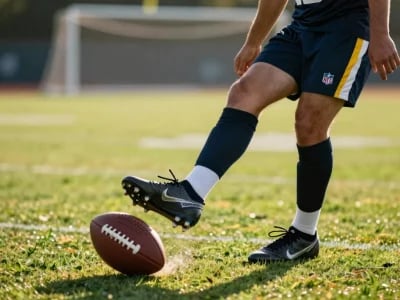
The fundamental techniques of striking a ball in soccer translate well to the skills required for kicking in football. In soccer, players learn to control their foot placement and body alignment to achieve optimal ball striking. Kickers leverage similar mechanics in football to ensure the ball travels accurately and with power. The "instep" kick used in soccer, characterized by striking the ball with the laces of the shoe, is particularly useful for placekickers.
For example, a soccer player's ability to generate spin and control distance while striking a ball can be directly applied to kicking field goals and extra points. The biomechanics involved in both sports share similarities, which allows soccer players to adapt their skills quickly when transitioning to football.
Precision and Accuracy in Kicking
Precision is paramount in both soccer and football, but the stakes often differ significantly. In soccer, players must consistently hit targets, whether passing to teammates or attempting to score. Similarly, kickers in the NFL must focus on accuracy when attempting field goals, often from challenging distances. The ability to gauge angles and distances in soccer directly enhances a kicker's performance in football.
Statistics reveal that successful kickers in the NFL, such as Justin Tucker of the Baltimore Ravens, often emerge from soccer backgrounds, having an impressive accuracy rate. In fact, Tucker boasts a career field goal percentage of over 90%, emphasizing how precision honed in soccer translates to success in the NFL.
Footwork and Balance Mechanics
Footwork and balance are critical components of both soccer and football kicking. Soccer players develop agile footwork to maneuver around opponents and maintain balance while striking the ball. This agility is invaluable for kickers, who must maintain stability during their kicking motion.
For instance, a kicker's approach to the ball involves specific footwork patterns that can be easily learned by soccer players. The ability to plant the non-kicking foot firmly while striking the ball with the kicking foot requires balance and coordination, skills that are inherently developed in soccer. NFL kickers often emphasize the importance of foot placement and balance, as seen in training regimens that mirror those of soccer players.
The Mental Game: Focus and Pressure Handling
Mindset Development in Soccer Players
The mental aspect of kicking is often overlooked, yet it plays a crucial role in a kicker's performance. Soccer players are accustomed to high-pressure situations, where every shot counts. This experience allows them to develop a focused mindset, crucial for successful kicking in the NFL.
For example, soccer players frequently face penalty kicks in high-stakes games, mirroring the pressure kickers experience during crucial field goal attempts. This similarity in pressure situations helps soccer players to maintain composure and focus when transitioning to football.
Pressure Situations in Both Sports
Kickoffs, field goals, and extra points in football can be equated to penalty kicks in soccer, as both involve significant pressure. The ability to handle stress and perform under pressure is a transferable skill that soccer players bring to the football field.
Consider the case of Stephen Gostkowski, a former New England Patriots kicker, who often thrived in clutch situations, including game-winning field goals. His background in soccer provided him with the tools to manage pressure, demonstrating how mental fortitude is crucial for success in both sports.
Visualization and Mental Preparation
Visualization techniques are commonly practiced by athletes across various sports. Soccer players often visualize successful plays, which aids in mental preparation. This practice carries over to football, where kickers visualize successful kicks before attempting them. The mental rehearsal technique helps enhance their confidence and performance on game day.
Many NFL kickers employ visualization as part of their routine. They mentally prepare for each kick, creating a mental script that guides them through the process. This preparation technique, rooted in their soccer experience, underscores the importance of a strong mental game in high-pressure situations.
Physical Conditioning and Athleticism
Endurance and Strength Training
Physical conditioning is essential for athletes in both soccer and football. Soccer players undergo rigorous endurance training to maintain stamina throughout matches, which is beneficial for kickers who must perform consistently during a game. The ability to kick accurately after extended periods of play is a crucial skill for NFL kickers.
Kickers also engage in strength training to enhance their kicking power. Soccer players often focus on core strength and leg conditioning, which directly translates to the force behind a football kick. The emphasis on building strength and endurance is a common thread between the two sports, allowing soccer players to transition effectively into kicking roles.
Flexibility and Injury Prevention
Flexibility is vital for preventing injuries in athletes, especially those involved in kicking sports. Soccer players frequently engage in stretching routines to maintain flexibility, which is equally important for kickers. A flexible athlete is less susceptible to injuries, particularly in the hips, groin, and lower back, which are common areas of strain for kickers.
Many NFL kickers adopt warm-up routines inspired by soccer training methods. These routines include dynamic stretching and mobility exercises to enhance flexibility and promote injury prevention. By prioritizing flexibility, kickers can extend their careers and maintain peak performance levels.
Agility and Quickness on the Field
Agility is another key physical attribute that soccer players bring to the kicking position in football. The ability to change direction quickly and respond to unpredictable situations is essential for kickers, especially during kickoffs or when attempting to make a tackle. Soccer training helps develop these quickness and agility skills, which can be advantageous for kickers in the NFL.
For instance, kickers often find themselves in situations requiring quick decision-making and rapid movements, such as during a fake field goal attempt. Soccer players are accustomed to these fast-paced environments, allowing them to adapt quickly to the dynamic nature of football.
Recruitment Trends in NFL Kicking Positions
Scouting Soccer Talent for NFL Roles
As the success of soccer-background kickers becomes more evident, NFL teams have increasingly turned to soccer programs for scouting talent. Coaches and scouts are now actively looking for athletes with soccer experience due to their refined kicking techniques and mental resilience.
Many teams have established formal methods for evaluating soccer players, including attending soccer games and camps to identify potential talent. The recruitment process has evolved to encompass athletes who might not have traditional football backgrounds but possess the skills necessary for success as kickers.
College Programs and Transition Pathways
Collegiate football programs have also recognized the value of recruiting soccer players as kickers. Many universities have developed transition pathways for soccer athletes wishing to pursue kicking roles. These programs provide training and support to help them adapt to the demands of football kicking.
For example, some colleges have integrated specialized kicking coaches who come from soccer backgrounds, offering insights and techniques that enhance the development of kickers. This collaborative approach not only benefits the athletes but also enriches the overall kicking game in college football.
Success Stories and Future Prospects
The future of NFL kickers with soccer backgrounds looks promising, as the trend continues to gain momentum. Athletes like Younghoe Koo, who transitioned from soccer to become a standout kicker for the Atlanta Falcons, exemplify the potential for success. Koo's journey highlights how soccer players can thrive in the NFL, and his success may inspire other soccer athletes to explore kicking opportunities.
As NFL teams increasingly recognize the value of soccer skills, the recruitment of kickers from soccer backgrounds will likely continue to rise. This trend not only enhances the kicking game in football but also creates new pathways for talented athletes who may not have found traditional routes into the sport.
Filed under