Why NHL Prospects Spend Years in Junior Hockey Development
Discover why NHL prospects spend years in junior hockey development, honing their skills and preparing for the big leagues. Explore the journey to the NHL!
The Importance of Skill Development in Junior Hockey
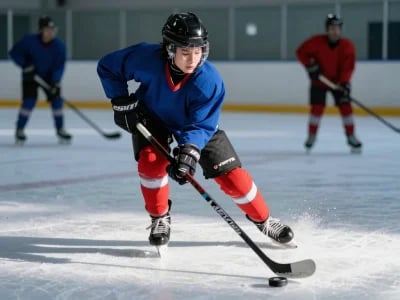
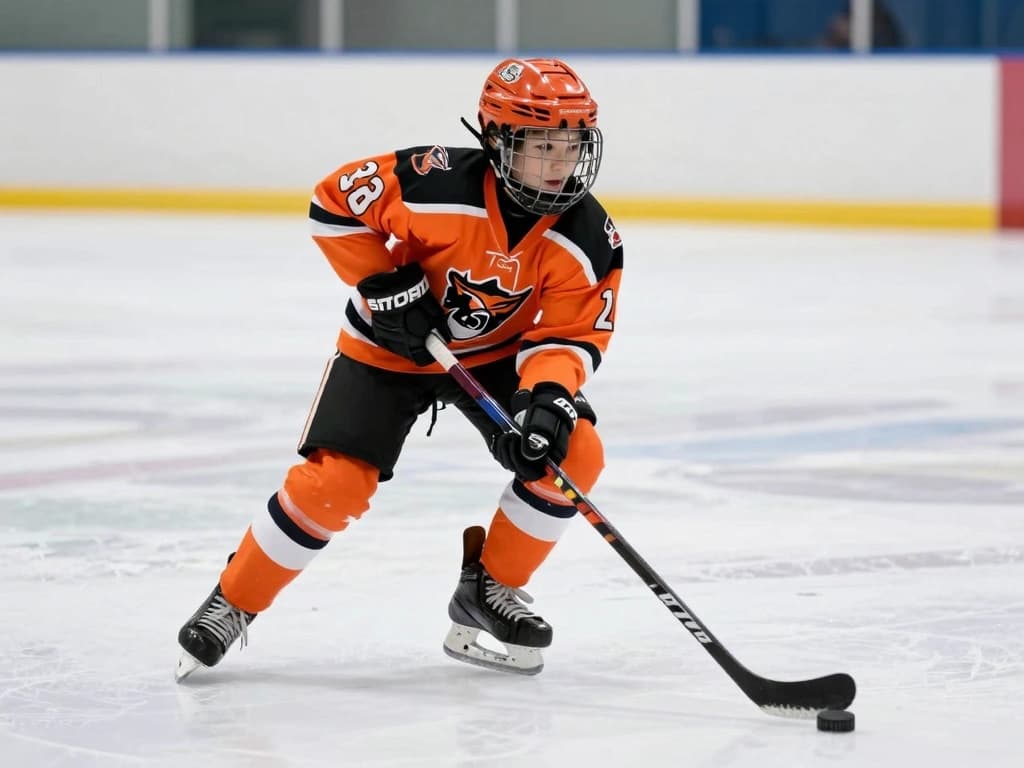
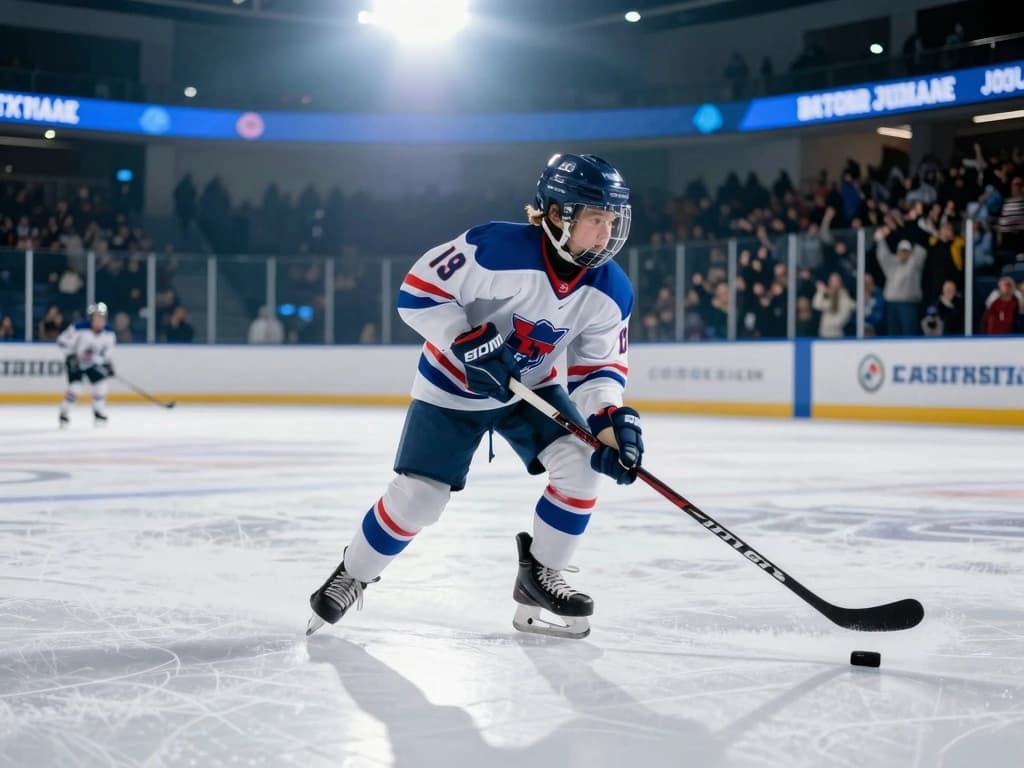
Junior hockey serves as a critical arena for players aspiring to reach the NHL. This stage of development is paramount for honing technical abilities, enhancing game intelligence, and adapting to various playing styles. Each of these aspects contributes significantly to a player's readiness for the demanding environment of professional hockey.
Refining Technical Skills
Technical skills are the foundation of any hockey player's success. In junior leagues, players have the opportunity to refine these skills through consistent practice and competitive play. Junior leagues typically feature a higher volume of games compared to high school or youth leagues, allowing players to repeatedly execute and perfect essential skills such as shooting, passing, and stickhandling. For instance, players in the Canadian Hockey League (CHL), which includes the Western Hockey League (WHL), Ontario Hockey League (OHL), and Quebec Major Junior Hockey League (QMJHL), play upwards of 68 games during the regular season. This extensive schedule offers young athletes the chance to work on their technical skills under varying game conditions. A player like Connor Bedard, who spent two seasons with the Regina Pats in the WHL, demonstrated how junior hockey can refine a player’s shooting technique, resulting in a staggering 51 goals in his draft year.
Building Game Intelligence
Game intelligence, or hockey sense, is often what separates good players from great ones. In junior hockey, players learn to read the game better, anticipate opponents' moves, and make quicker decisions. The speed of the game increases significantly in junior leagues compared to youth levels, pushing players to develop their situational awareness. For example, Jack Hughes, the first overall pick in the 2019 NHL Draft, spent two seasons in junior hockey with the USA Hockey National Team Development Program (NTDP). His experience in the NTDP allowed him to face elite competition and work on his decision-making, which was reflected in his ability to register 112 points in just 50 games during the 2018-2019 season.
Adapting to Different Playing Styles
Junior hockey comprises a diverse range of playing styles, from fast-paced offensive teams to defensively minded squads. This diversity forces players to adapt and learn how to play against different systems. Exposure to various strategies helps prospects become more versatile, an essential trait for success in the NHL. For instance, players in the QMJHL often face teams that emphasize speed and skill, while those in the WHL may encounter a more physical style of play. By adapting to these varied approaches, junior players prepare themselves for the multifaceted nature of the NHL, where different teams utilize unique strategies.
The Role of Physical Maturity in Player Success
Physical maturity is another crucial factor that influences why prospects spend years in junior hockey. The transition from adolescence to adulthood involves significant changes in strength, conditioning, and overall physicality, all of which are essential for thriving in the NHL.
Growth and Strength Training
During their junior years, players undergo critical physical development. Many athletes experience growth spurts and increased muscle mass, which can enhance their performance on the ice. Junior leagues often offer access to strength training facilities and programs, enabling players to focus on building their physical attributes. For example, the CHL has implemented strength and conditioning programs tailored to young athletes, which include specialized training regimens designed to increase strength, endurance, and agility. These programs help players like Kirill Kaprizov, who spent several years in the KHL before transitioning to the NHL, develop the physicality needed to compete at the highest level.
Injury Prevention and Recovery
Injury prevention is another key reason why players spend time in junior hockey. The physical demands of the NHL can lead to severe injuries if players are not adequately prepared. Junior hockey provides an environment where players can learn about injury prevention techniques, recovery protocols, and the importance of proper training. Programs like the NHL Player Safety initiative emphasize the significance of player health, and junior leagues often implement similar education systems. By learning to manage their bodies and understand the risks of injury, players are better equipped to handle the rigors of professional play.
Adjusting to the Physical Demands of Professional Play
The physicality of the NHL is unmatched, and junior hockey serves as a vital stepping stone for players to acclimate to this level of intensity. In junior leagues, players face opponents who are often faster, stronger, and more skilled than they have encountered in previous levels of play. For instance, players like Brady Tkachuk, who spent time in the NCAA before joining the NHL, learned to navigate the physical demands of the game during his junior years. The experience of competing against physically mature players in junior hockey equips prospects with the skills needed to withstand the rigors of the NHL.
The Impact of Competition Level in Junior Leagues
Competition level in junior hockey is another crucial factor contributing to the extended development of NHL prospects. The opportunity to face elite opposition prepares players for the challenges that await them in the professional arena.
Facing Elite Opposition
Junior leagues attract some of the best young talent from around the world, providing an environment where players can test their skills against top-tier competition. This exposure is invaluable for player development, as it allows them to evaluate their performance against others who share their aspirations. For example, the CHL hosts the Memorial Cup, which gathers the champions of the three major junior leagues in Canada. This prestigious tournament showcases elite talent and offers players a chance to compete at an even higher level, helping them to sharpen their skills and improve their game.
Learning to Handle Pressure
In addition to facing elite competition, junior hockey also teaches players how to manage pressure and perform in high-stakes situations. Playoff scenarios, rivalry games, and national tournaments all contribute to an athlete's mental fortitude. A notable example is the experience of Cale Makar, who not only excelled in the AJHL but also led his University of Massachusetts team to the NCAA finals. His ability to perform under pressure during these crucial moments prepared him for the intensity of the NHL playoffs, where the stakes are considerably higher.
Competing Against Peers for NHL Opportunities
In junior hockey, players are constantly vying for attention from NHL scouts and teams. The competitive nature of the environment forces players to elevate their game to stand out amongst their peers. This competition drives players to work harder, develop their skills, and push their limits. For instance, during the 2021 CHL Import Draft, players like Marco Rossi and Alexis Lafrenière competed not only for spots on their respective teams but also for the attention of NHL scouts. This competitive atmosphere fuels development, as players strive to improve and secure their NHL futures.
The Influence of Coaching and Mentorship
Coaching and mentorship play a vital role in the development of NHL prospects during their junior years. Access to experienced coaches and mentorship opportunities can significantly shape a player's trajectory.
Access to Experienced Coaches
Junior hockey programs often employ coaches with extensive experience, including former NHL players and coaches. These individuals provide valuable insights and knowledge about the game. Their expertise can help young players understand the nuances of hockey, improve their skills, and prepare for the demands of professional play. For instance, teams like the London Knights in the OHL are known for their strong coaching staff, which has produced numerous NHL players. The mentorship provided by these experienced coaches is instrumental in guiding young athletes through their development.
Building Relationships with Mentors
Mentorship is a critical aspect of player development in junior hockey. Young players benefit from building relationships with older teammates and coaches who can offer guidance and support. These relationships often help players navigate challenges, both on and off the ice. A prime example is the relationship between Auston Matthews and his teammates during his time in the USA Hockey NTDP. Veteran players provided mentorship, sharing their experiences and knowledge, which helped Matthews develop both as a player and as a person.
Feedback and Continuous Improvement
Continuous improvement is essential for any athlete, and the junior hockey environment fosters this mindset. Coaches provide ongoing feedback to help players identify areas for growth and development. This process encourages athletes to set goals and work diligently to achieve them. In junior leagues, players often receive video analysis of their performance, which allows them to see their strengths and weaknesses firsthand. This approach has been used effectively by teams like the Halifax Mooseheads, where video breakdowns are a regular part of practice sessions, reinforcing the importance of self-improvement.
NHL Draft and Development Pathways
The NHL Draft plays a pivotal role in a prospect's journey from junior hockey to the professional level. Understanding the draft process, developmental contracts, and the transition from juniors to the NHL is crucial for aspiring players.
The Draft Process and Timing
The NHL Draft typically occurs in late June, and players must be eligible based on their birth year. Most players spend several years in junior hockey to enhance their skills and increase their draft stock. The average age of players drafted into the NHL is around 18, but many successful players have benefited from additional time in junior leagues. For instance, players like Tyler Seguin and Nathan MacKinnon were both drafted after multiple seasons in junior hockey, allowing them to refine their skills and prepare for the NHL.
Understanding Developmental Contracts
Once drafted, players may be offered developmental contracts, which can include time in junior leagues or minor leagues before making the NHL roster. This pathway allows teams to keep an eye on players while they continue to develop. For example, teams like the Toronto Maple Leafs often use the American Hockey League (AHL) as a stepping stone for their prospects. Players like Timothy Liljegren spent time in the AHL, allowing them to adjust to the professional level before making their NHL debuts.
The Transition from Juniors to the NHL
The transition from junior hockey to the NHL is a significant leap. Players must adapt to the faster pace, heightened physicality, and increased expectations. Junior hockey serves as a preparatory ground, helping prospects make this transition more smoothly. For instance, players like Shea Theodore, who spent time in the WHL before joining the NHL, were able to adjust to the demands of professional play more effectively due to their extensive junior experience. The skills and lessons learned during junior hockey enable prospects to step into the NHL with confidence.
Filed under